What Could America Look Like If It Were a Queer Accepting Country?
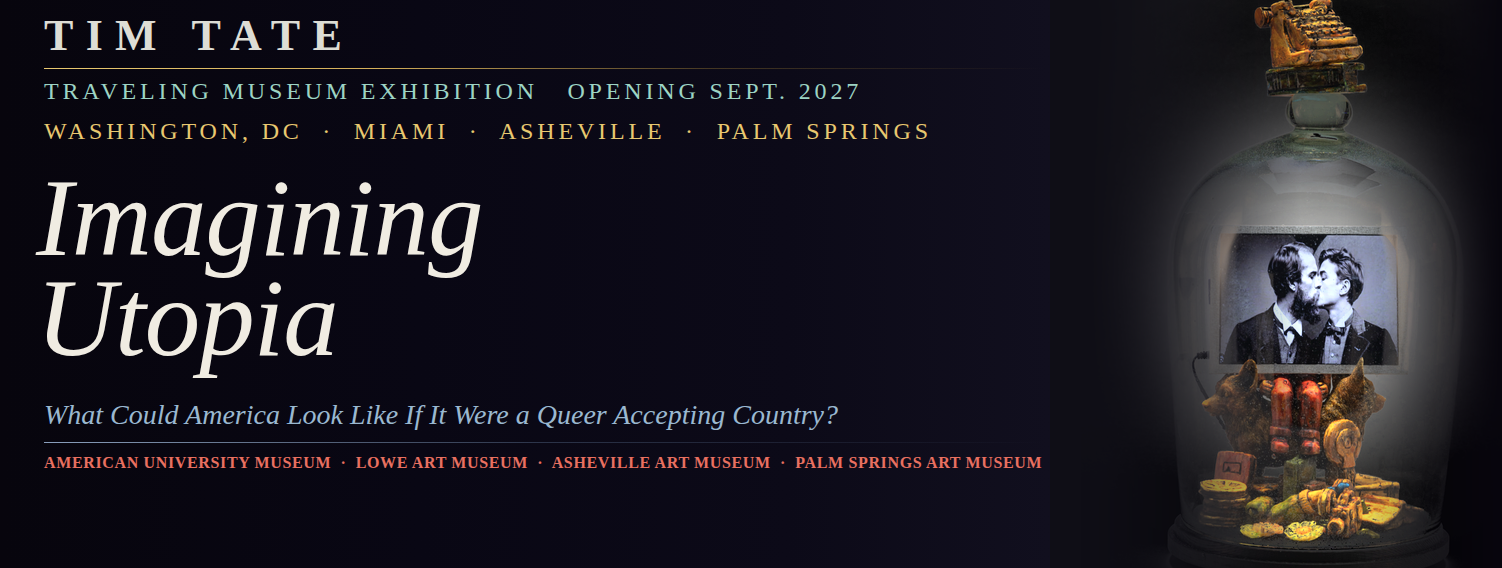
Imagining Utopia: What Could America Look Like if It Were a Queer Accepting Country? is a traveling museum exhibition that poses a single, sincere question through the medium of glass. Rather than cataloging injury or protesting absence, the show imagines repair, a present-tense history granted to the people the historical record left in its margins. Across cast and blown glass, video reliquaries, mirrored spheres, and lenticular panels, the work extends tenderness, recognition, and futurity to queer lives that were denied all three, insisting these figures were always worthy of the veneration the pieces bestow on them.
The exhibition's formal language borrows deliberately from devotion and wonder. Reliquary cabinets and Victorian curiosity-cabinet forms lend the visual grammar of the sacred to ordinary queer intimacy, while embedded video animates archival photographs so their sitters seem to live and breathe in the here and now. The Resurrections series is central to this: glass reliquaries that restore small, tender moments, a glance, a touch, a companionship, to men and women whose lives required concealment. Other works, from a mirrored sphere reclaiming the word "woke" to a hand-worked crown made with trans youth honoring Marsha P. Johnson, turn the question of acceptance over from many angles at once.
Thirty-one works in glass
 Work 1 of 31
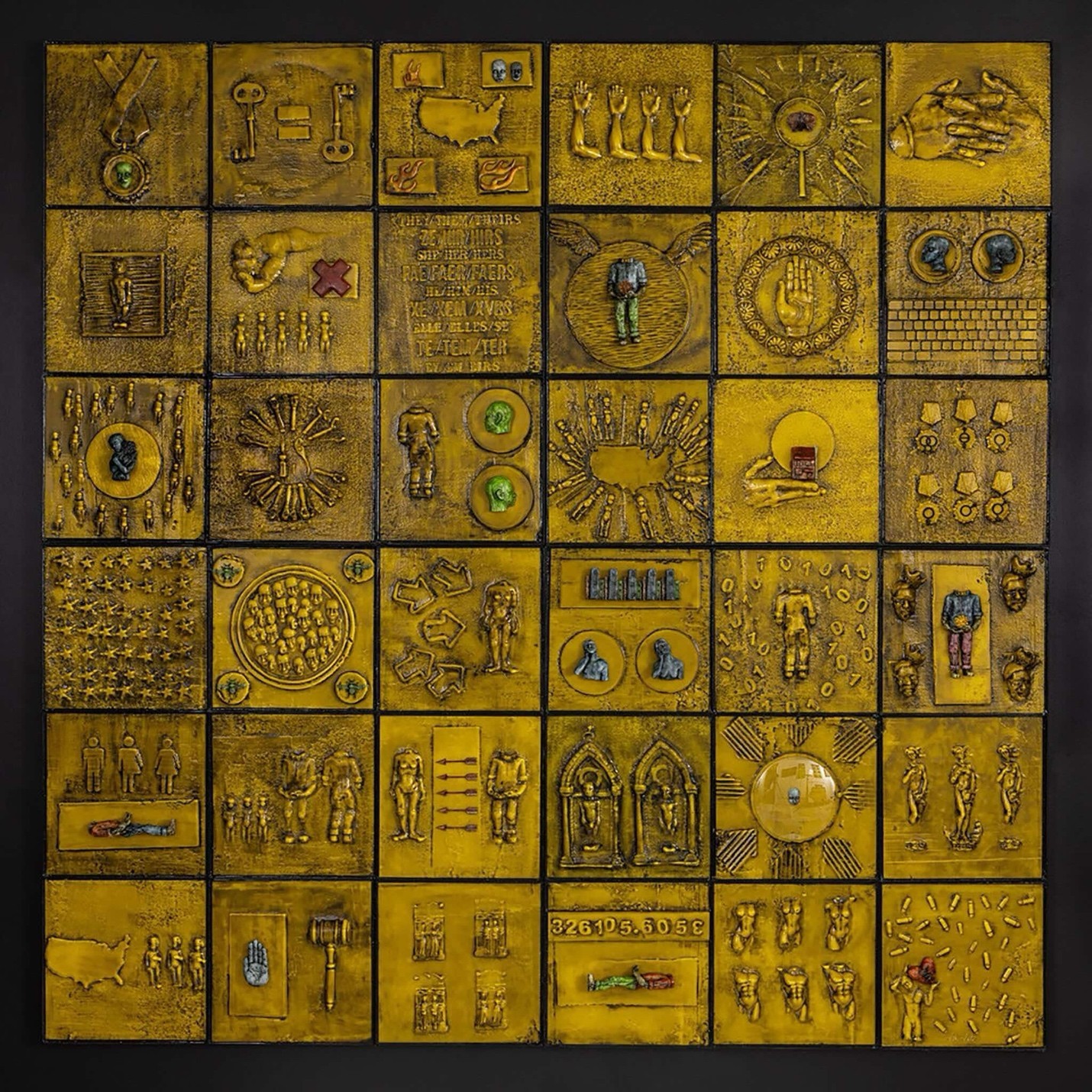
The Light We're Owed: A Universal LGBTQ+ Bill of Rights in 36 Points
Cast glass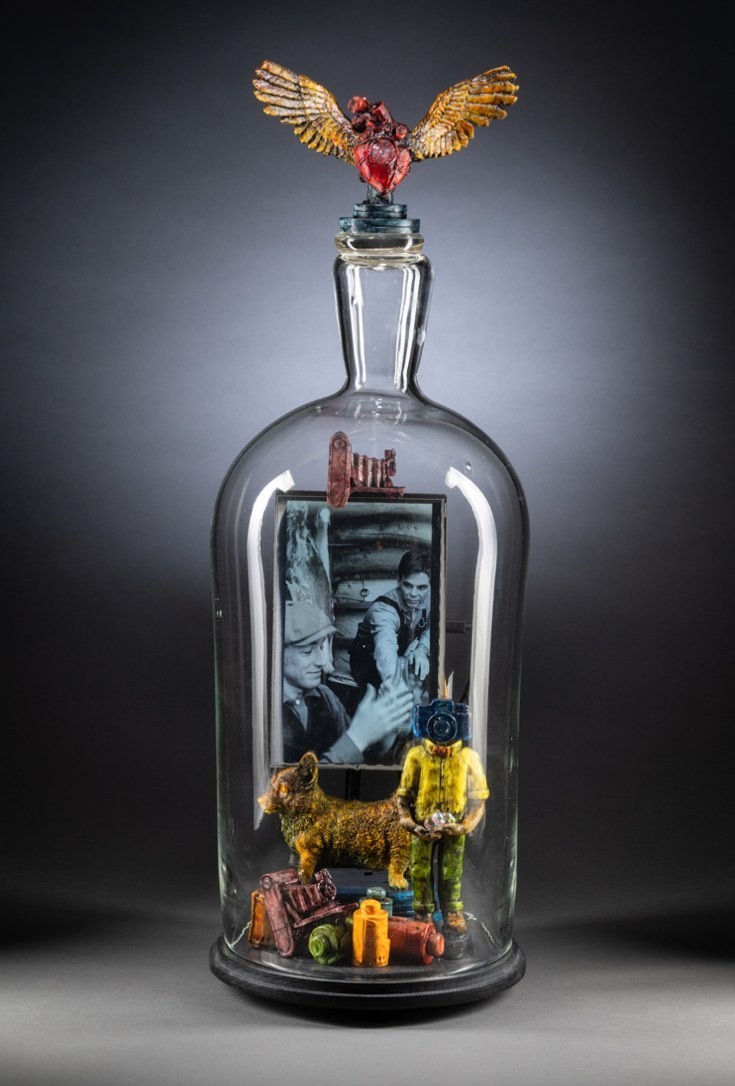 Work 4 of 31
Len & Cub
Blown and cast glass, video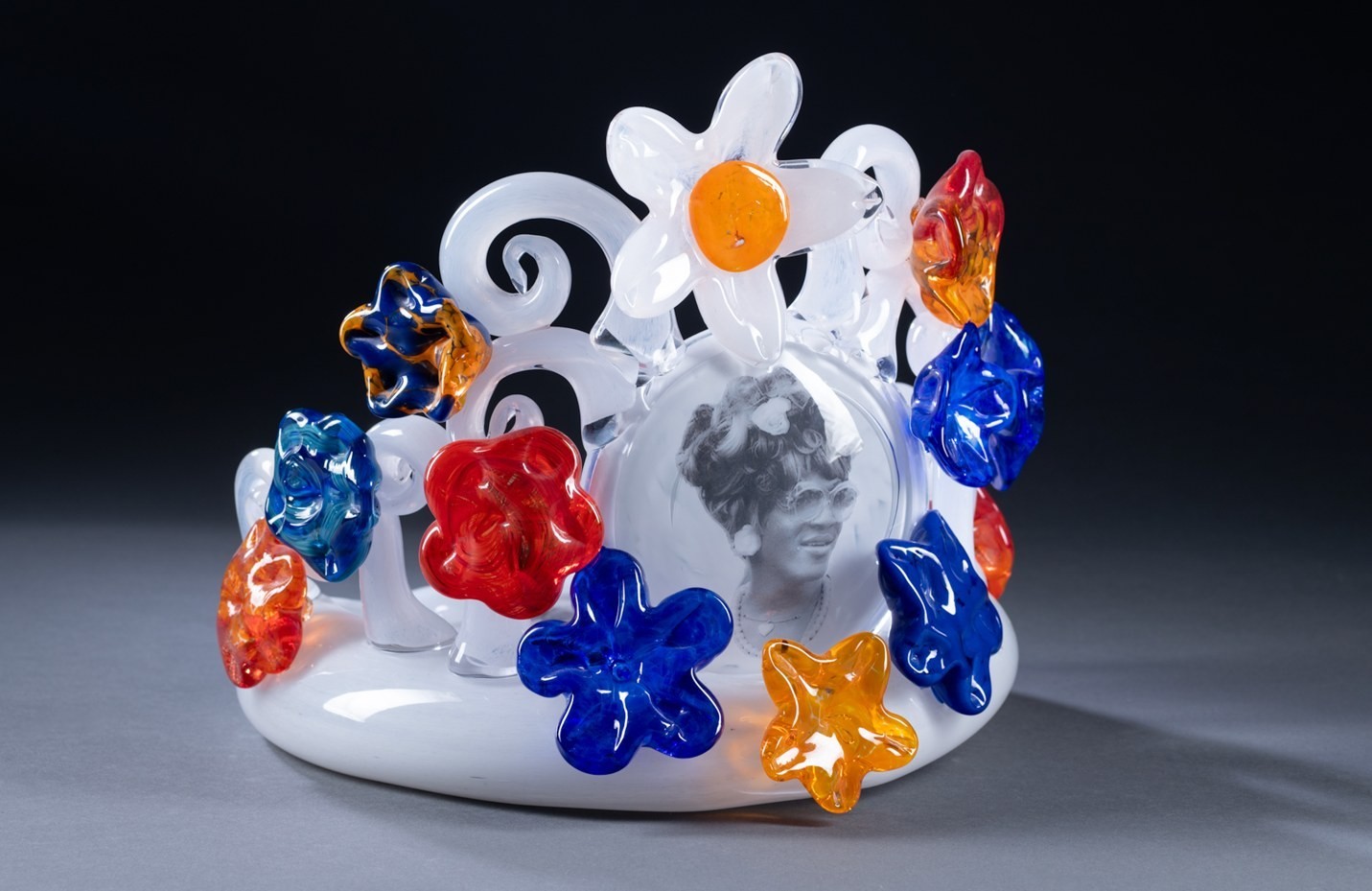 Work 8 of 31
Queen for a Millennium
Hand-worked glass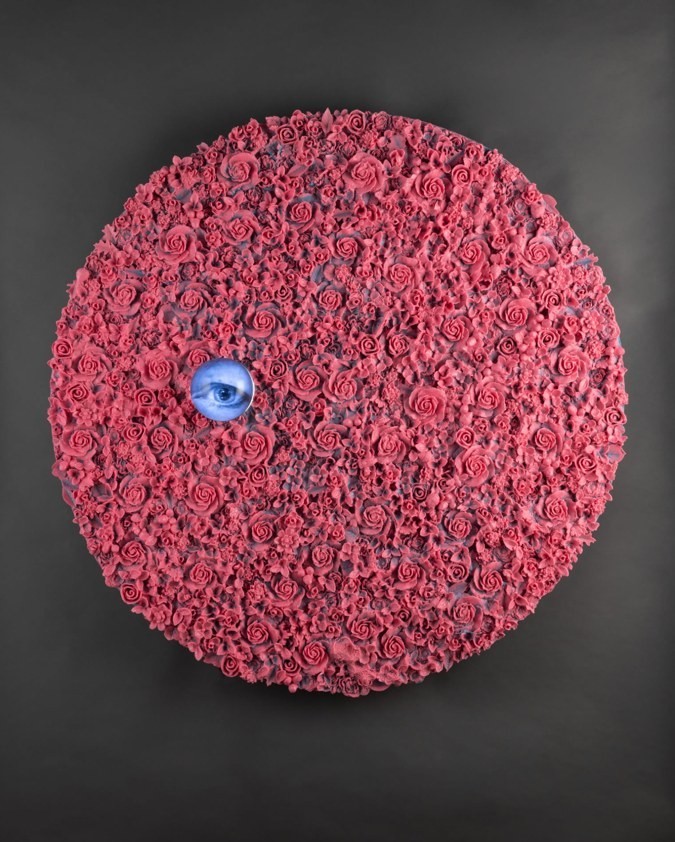 Work 22 of 31
Where We Hide From No One
Cast glass, video, mixed media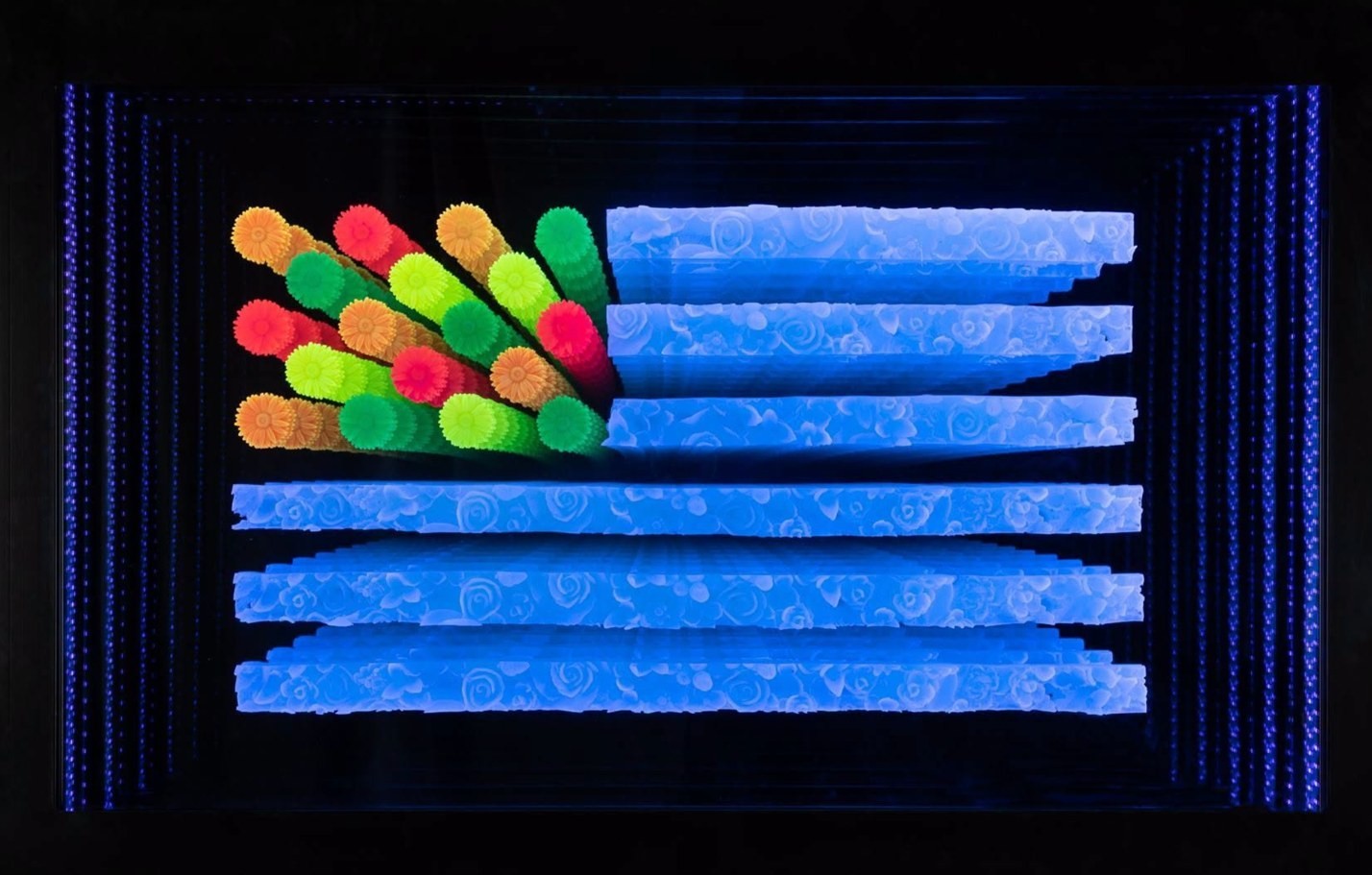 Work 30 of 31
My United States
Aluminum, cast glass, UV LEDs, mirror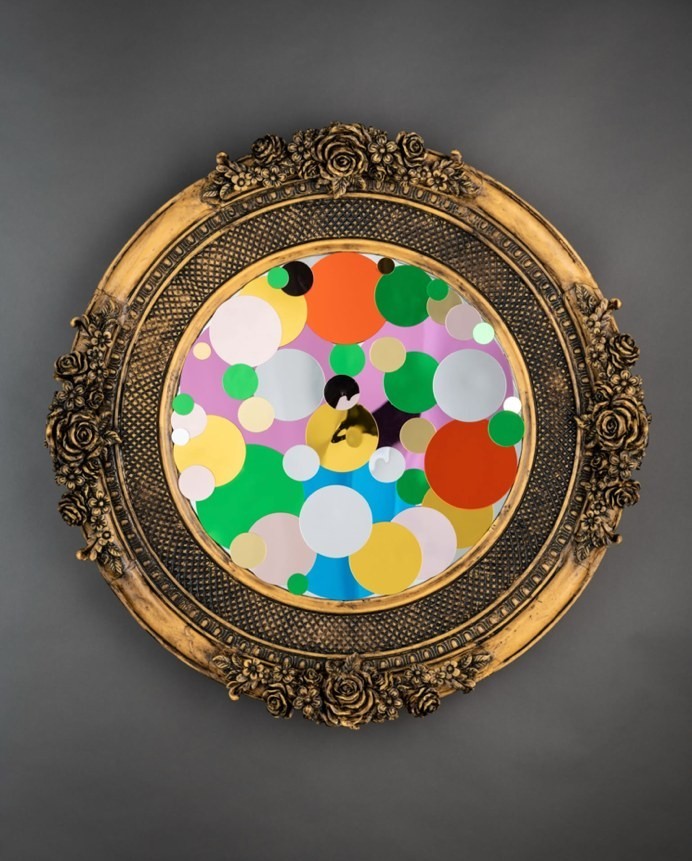 Work 31 of 31